Finding your way on Dutch roads with Driving School Maastricht
For many internationals, getting used to life in the Maastricht Region also means getting used to a different way of moving around. Roads in the Netherlands can be busy with cyclists, pedestrians, roundabouts, trains and narrow streets. Even experienced drivers can need time to adjust.
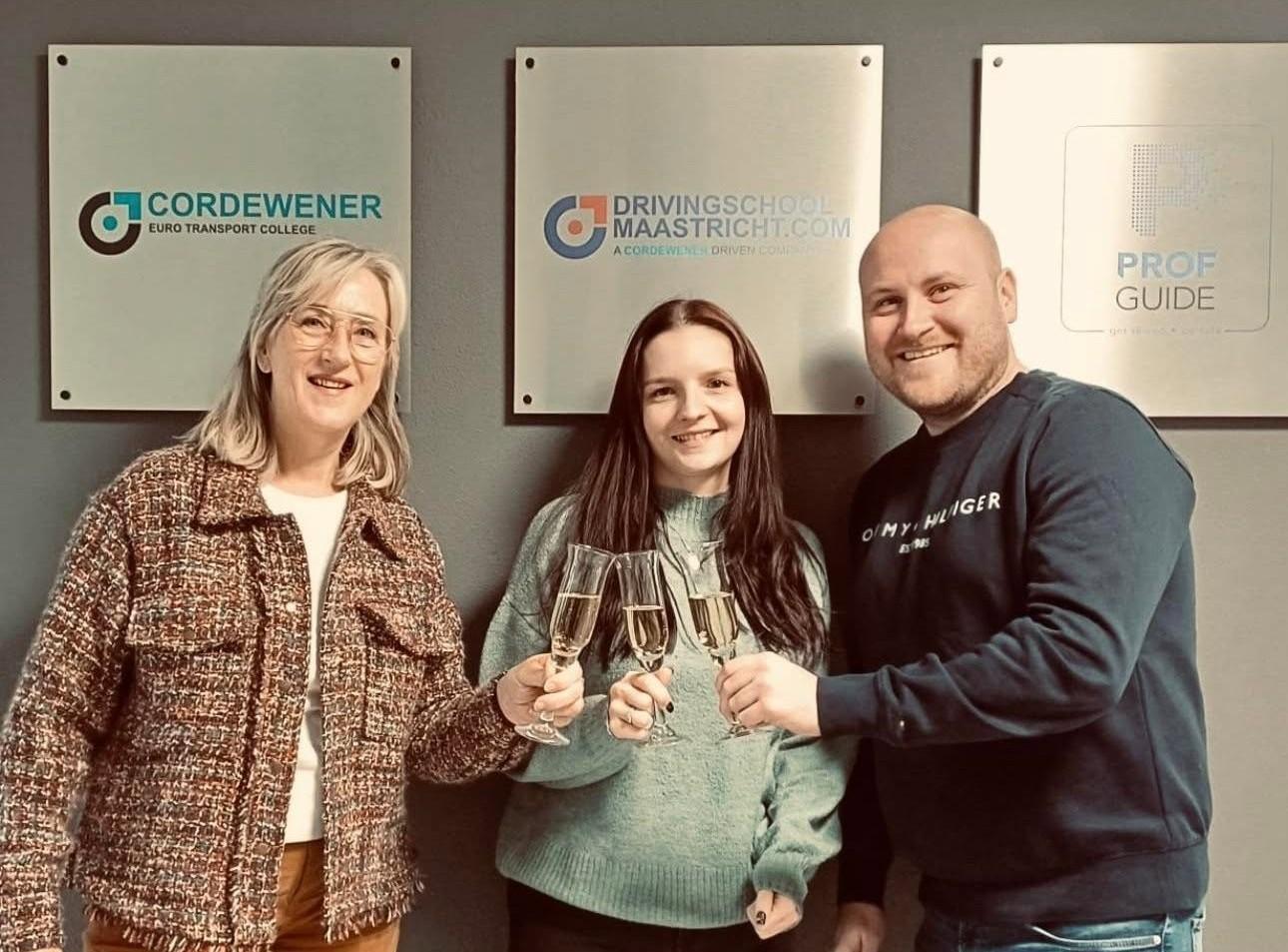
Driving School Maastricht helps both student drivers and experienced international drivers understand what is different about driving in the Netherlands. As an Expert Partner of Expat Centre Maastricht Region, the driving school offers lessons and practical support for internationals who want to gain confidence on Dutch roads. Tom and Vienna Hendrix, a husband-and-wife team, run the school together and help local and international residents feel comfortable behind the wheel.
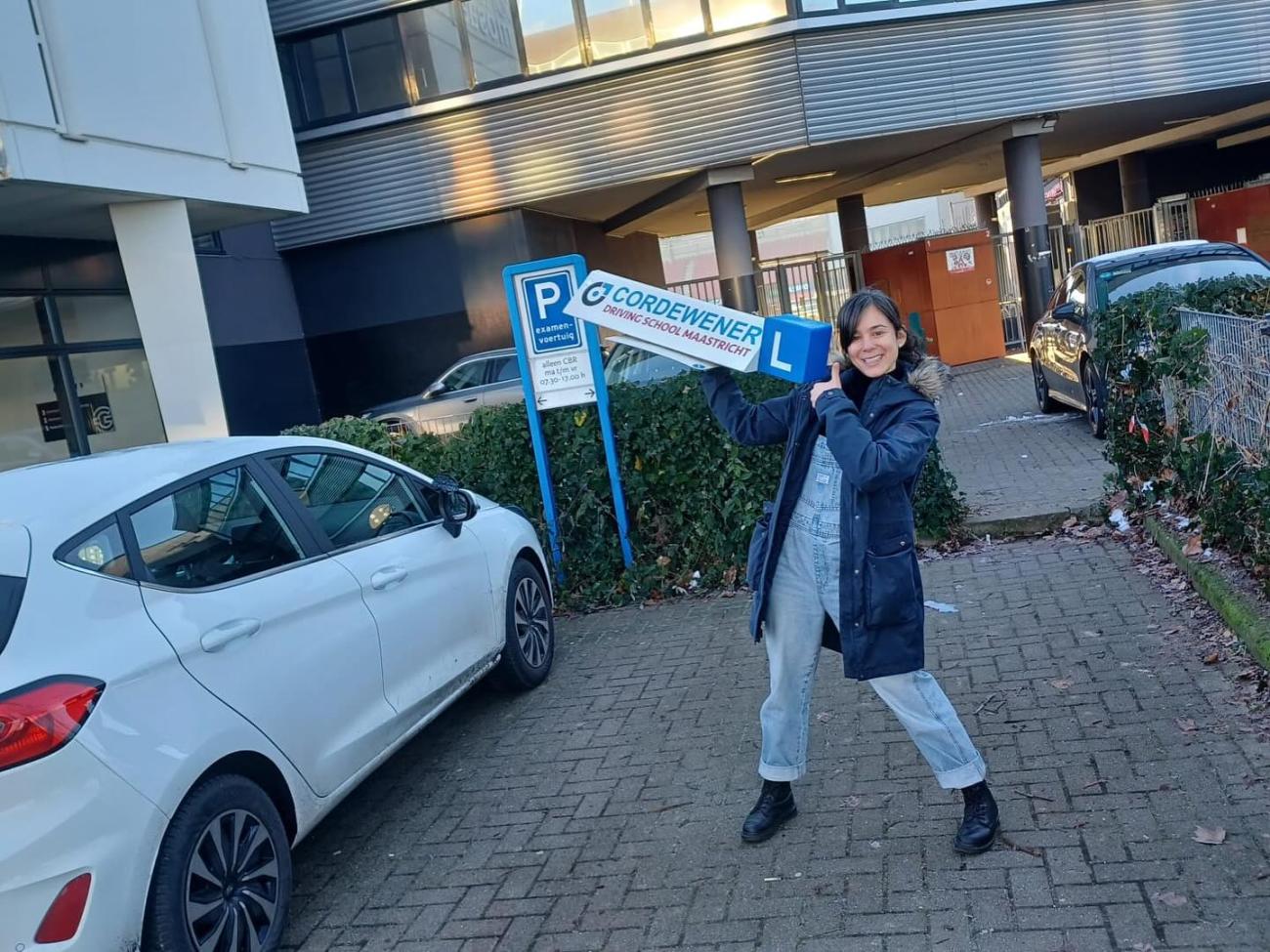
From instructor to business owner
Tom had already been working as a driving instructor for 2 years when the previous owner decided to retire and asked him to continue the company. For Tom, the opportunity matched a long-term ambition. ‘As an instructor, it is always a sort of a goal to have your own driving school,’ he explains. ‘I think it was a beautiful opportunity to continue with what I was already doing, but then for myself and not for somebody else.’ Vienna joined the business soon afterwards. ‘This was the perfect opportunity to do something else,’ she says. Since January this year, Vienna has been running the business side, while Tom spends much of his time teaching students on the road.
Learning the Dutch way
For international drivers, one of the biggest challenges is not simply learning the traffic rules. It is understanding how different road users work together. Tom Hendrix describes Dutch traffic as highly structured. For someone who has grown up with the system, it can feel natural. For newcomers, the combination of cyclists, pedestrians, cars, roundabouts and priority rules can be difficult to understand.
‘The Netherlands have a thousand rules and a thousand and one exceptions on those rules,’ Hendrix says. ‘And that’s hard to understand when you're not raised in the Netherlands.’
Dutch people learn about traffic from a young age, often by cycling to school and completing a verkeersexamen (traffic exam) in primary school. Newcomers may need to learn this road culture later in life, while also adjusting to a new home, workplace or study environment. One student gave him a memorable description of how Dutch traffic works when everyone understands their role. ‘It's like a symphony how everything is going on to each other,’ the student told him. ‘When I'm able to drive, then it’s all in a flow.’
The school also offers refresher lessons for experienced drivers. Tom has taught internationals from countries including Spain, India, China and the UK, where roads and traffic behaviour can be very different. ‘So when you have a licence and you may drive here, come to us,’ he says. ‘We can help you just to be a little bit more comfortable in driving around here.’
Bicycles are part of the rhythm
Cyclists are one of the most important parts of this Dutch traffic ‘symphony’. For internationals from countries where bicycles are less common, their presence can take some getting used to. ‘The bicycle is the King of the Road,’ Tom Hendrix says. ‘There are strict rules about traffic interactions between cars and bicycles, especially when cyclists are minors.’
His advice to nervous drivers is simple: keep looking around. ‘When you are looking around and when you know what's going around you, then you will see that it is not that scary or dangerous as you think that it maybe is.’ This awareness is also important at roundabouts, on busy streets and in other unfamiliar situations.
Why learning to drive in English can help
Driving is already a complex skill. For internationals who are still learning Dutch, taking lessons in Dutch can add another challenge. ‘You're learning basically 2 new things in 1 hour or 1 lesson,’ Hendrix explains. ‘And that's extra difficult for people.’
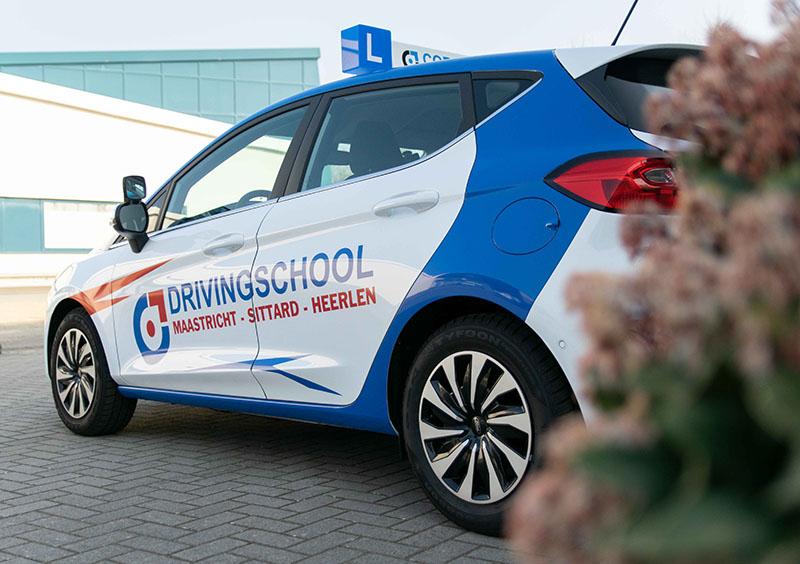
Students must control the car, understand the traffic and watch other road users. Translating instructions at the same time can make this more difficult. Driving School Maastricht therefore offers lessons in English, allowing students to concentrate on the road.
Passing the exam is not the only goal
For new drivers, the Dutch practical driving exam can be stressful. Tom focuses on safe and independent driving rather than perfection. ‘It doesn't need to be perfect, it needs to be safe,’ he explains.
Students can also take an interim test to experience what an exam feels like and receive feedback before their practical examination. Driving School Maastricht can arrange the practical exam with the CBR when the student is ready.
A licence can mean freedom
For Tom Hendrix, some of the most rewarding moments come after students have passed. One memorable student was a nun from the US living in a convent in the Maastricht Region. She was one of the few nuns there who could drive. After 10 lessons, she passed her theory and practical exams. ‘She was really happy that she now finally could drive the other sisters around,’ says Hendrix.
For both new and experienced drivers, a licence can therefore mean much more than passing an exam. It can make everyday life easier and provide greater independence.
When should internationals start?
Tom Hendrix recommends that newcomers first spend some time understanding where they live before deciding whether they need a Dutch driving licence. ‘Wait until you are settled a bit,’ he advises. ‘You can't know what you need if you are not yet here.’
Someone living close to work, university or the hospital may not need a car. For people living in surrounding villages, however, a licence may be much more useful. And internationals who already have a licence but feel uncertain on Dutch roads can also ask for help.
‘Don't hesitate to come to us,’ says Tom. ‘If you already have a licence, but you want some expert guidance on how to navigate the roads and traffic behaviours here in the Netherlands.’