Finding freedom, creativity and a sense of home in Maastricht
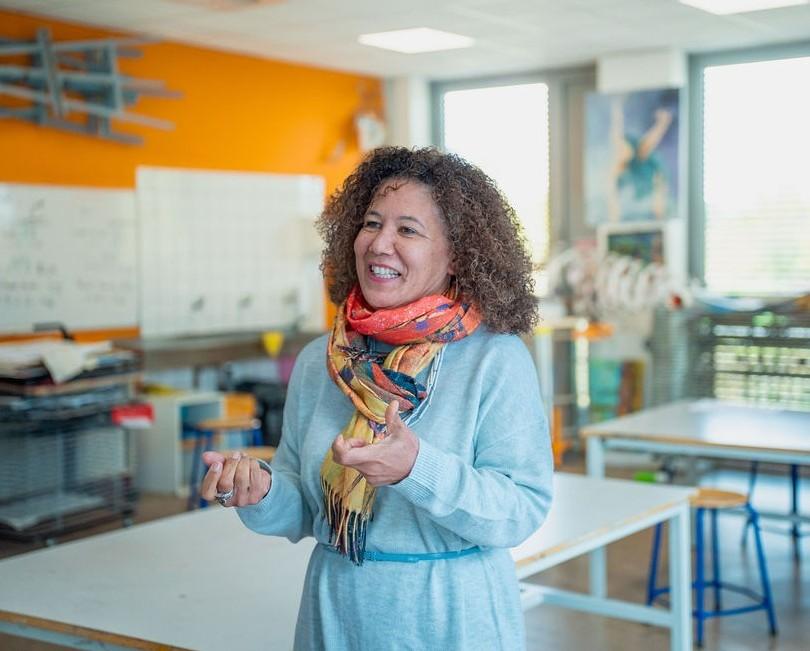
When Antoinette Blain first moved from London to Maastricht in 2010, it was not part of a carefully planned international career. What began as a chance to give her children a different education became the start of a journey through the Netherlands, Italy and Kenya – and eventually back to Maastricht.
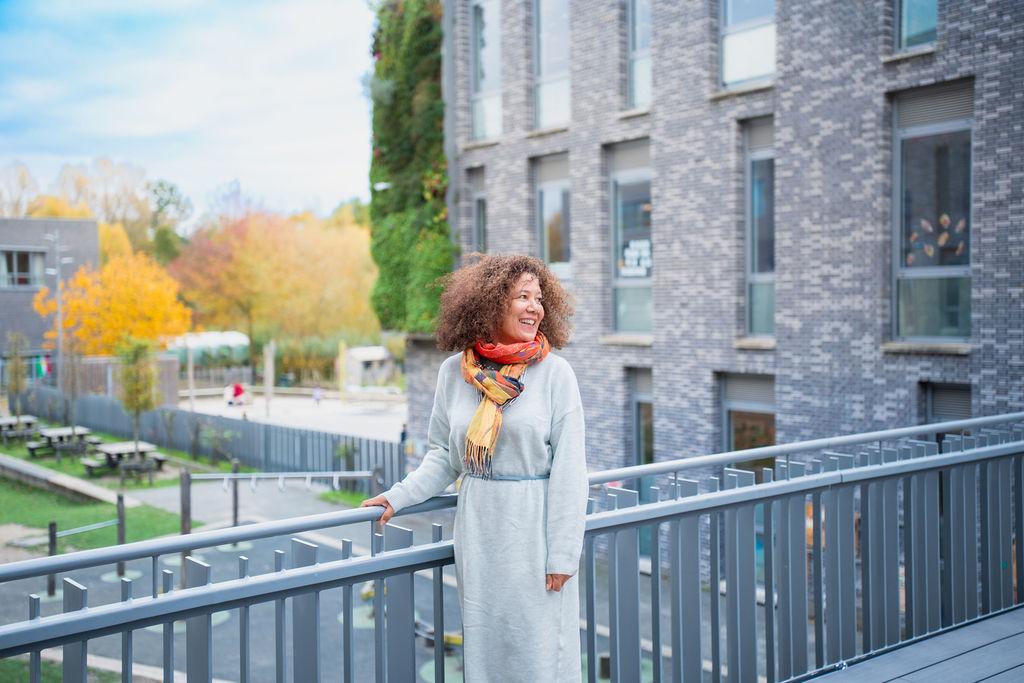
‘We kind of came here in the first instance by accident rather than by design’, Antoinette Blain recalls.
As a teacher in the UK, she wanted to move away from an education system focused heavily on exam results. She was also looking for new opportunities for her children. A position as a teacher of Design at international primary and secondary school, United World College Maastricht (UWCM), offered both. It was a risk. Her first contract was only partly permanent, but the following year the school had grown enough to offer her a full-time position.
Antoinette Blain has also lived in Italy and Kenya, where employers often provide more hands-on help with relocation. In the Netherlands, she found that newcomers were generally expected to manage more independently.
A different way of life
Moving from Greater London to the Maastricht Region brought some unexpected cultural differences. Blain remembers noticing differences between everyday life, particularly in how families spent time together and how young people expressed themselves. Coming from a large, multicultural city, she found the Maastricht Region’s strong local traditions and sense of community an interesting contrast.
Today, she sees the region becoming more diverse, with younger people expressing themselves more freely. Yet the city's strong local identity remains an important part of its character. Settling in was not always straightforward. Although English is widely spoken, understanding Dutch systems can still be difficult.
Finding freedom on two wheels
One of the biggest changes came through something very Dutch: cycling. Antoinette Blain remembers how her young son wanted to cycle to school alone, just like his Dutch classmates. Having grown up in Greater London, she was initially uncomfortable giving him that freedom. One afternoon, he arrived home late. Antoinette and her partner had been searching the neighbourhood, worried about what might have happened. It turned out he had experienced a nosebleed on his way home. A student had invited him inside, helped him clean up, given him some water and sent him safely on his way. The experience changed her view of independence and community. It also stayed with her when the family moved to Italy. There, they bought electric bicycles and continued cycling to work and school. ‘Cycling, definitely,’ she says when asked what the Maastricht Region gave her that she carried into her later international life.
A city that welcomes creativity
With a background in fashion, textile design and visual arts, Antoinette Blain often discovers a new place through its galleries. ‘Anywhere, my first stop is always a gallery.’ She particularly appreciates the Bonnefanten and Marres museums, where she enjoys the opportunity to explore contemporary art and new ideas. She values the accessibility of the city's cultural spaces, where exhibitions and discussions can feel more welcoming than in larger international cities.
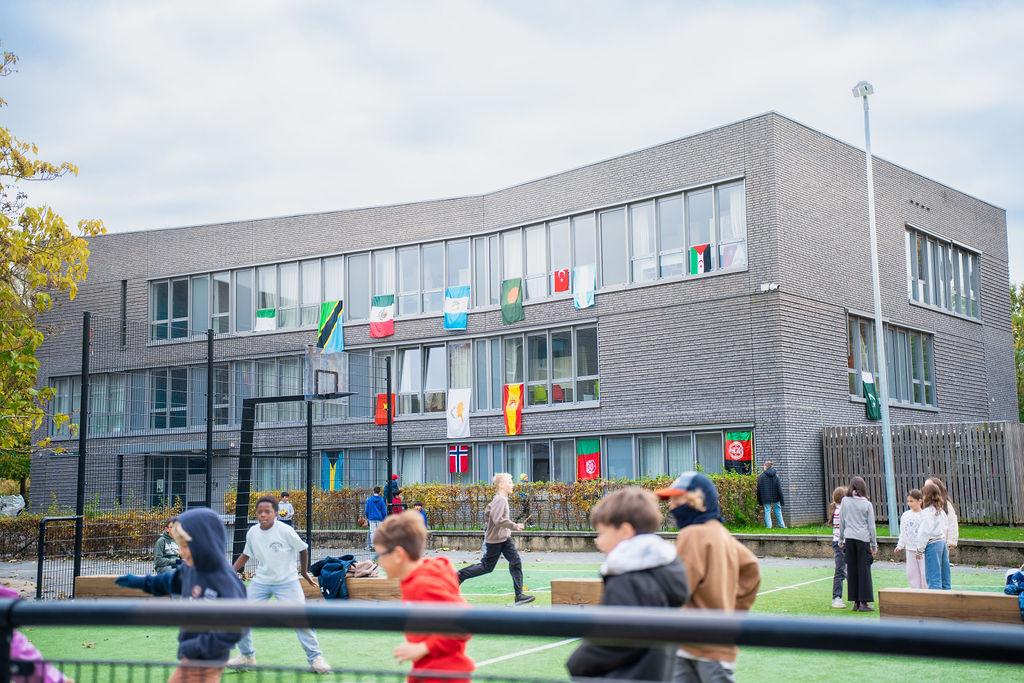
Today, Antoinette Blain is back at UWCM as interim director of secondary school. Returning was mainly about the school's educational mission, but living in the Maastricht Region brings its own rewards. Her morning cycle through the countryside is a reminder of how different life here can be from suburban London.
Advice for new internationals
For Antoinette Blain, successful relocation starts with understanding that every place has its own culture. She encourages newcomers to research not only the Netherlands, but the Maastricht Region itself. Life in Limburg can be quite different from life in Amsterdam or other larger Dutch cities. Her advice is to think carefully about your own flexibility, remain open to cultural differences and be prepared for surprises. After all, sometimes an unexpected move can leave a lasting impression on how you live, work and see the world.
More information about UWC UWC as employer