Finding connection through creativity: Amateur Arts Day
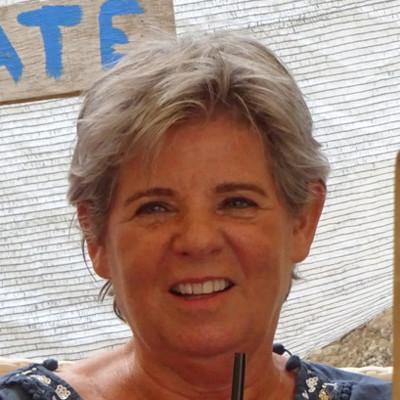
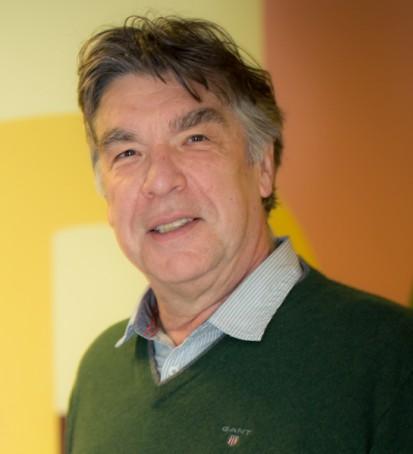
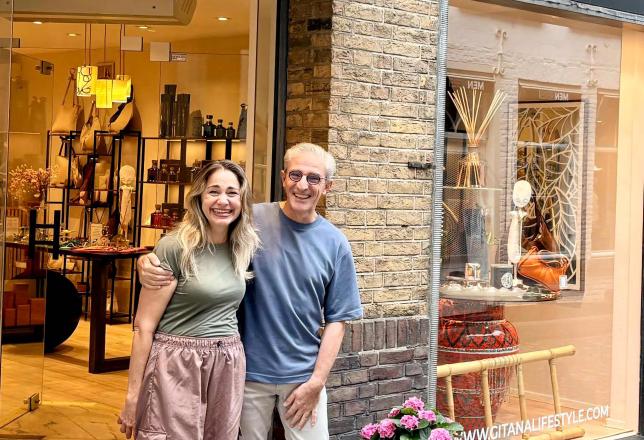
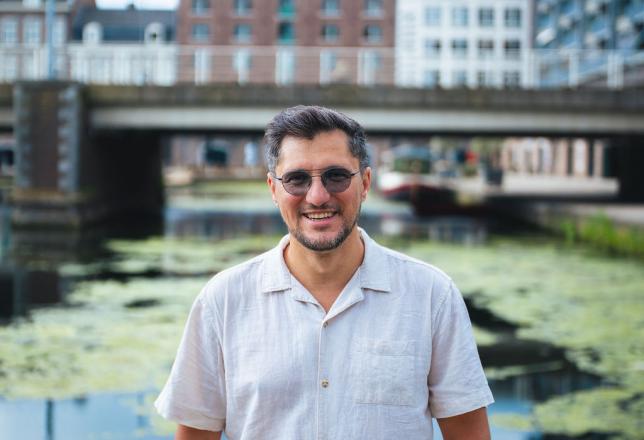
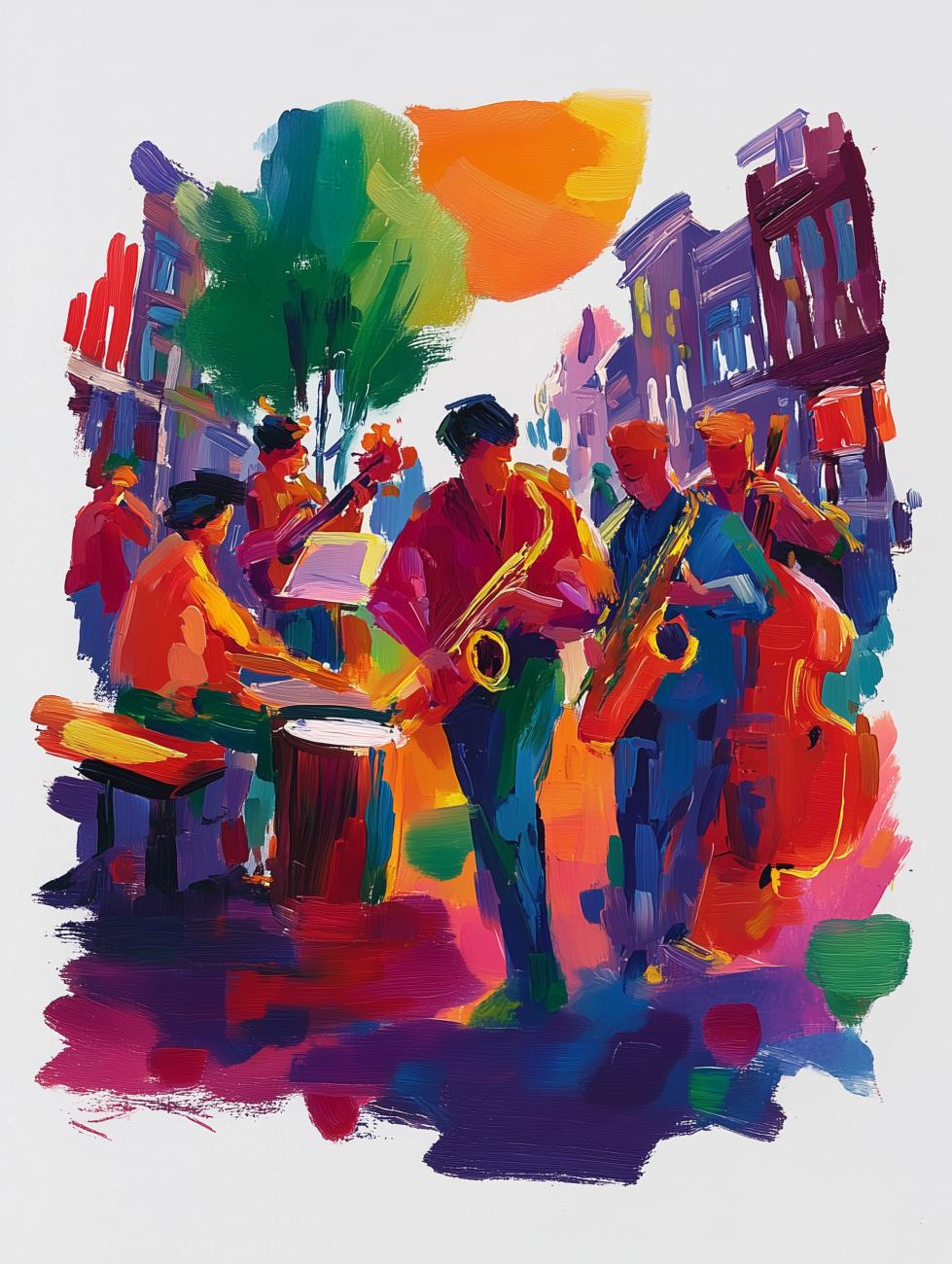
For many internationals, moving to a new country can feel both exciting and challenging. It takes time to meet people, understand local culture and feel truly at home. In the Maastricht Region, cultural events can play an important role in helping people connect. One event that can do just that is Dag van de Amateurkunsten (Amateur Arts Day) on 14 June 2026. The festival celebrates creativity in all its forms. It brings together choirs, dancers, photographers, theatre groups, musicians and many other creatives from across all backgrounds and age groups. This year, organisers Marjo Gorter and Wim Bogaert hope to make the festival open and welcoming for internationals living in the Maastricht Region.
Bringing people together through art
For Marjo Gorter, the main goal of Dag van de Amateurkunsten is simple: connection. ‘The idea behind it is to bring society a bit closer together,’ she explains. ‘People can get to know each other through the arts. In this way, we create more enjoyment and connection.’ Instead of hiding creative activities inside buildings, the organisers want art to be visible in public spaces. Stages, workshops and performances are spread throughout the city centre so that people can discover them naturally while walking through town. ‘You shouldn’t ask people to go looking for art,’ says Marjo. ‘You should simply be where the people are.’ This open approach is especially important in a city like Maastricht, where people from many cultures and backgrounds live side by side.
A festival for everyone
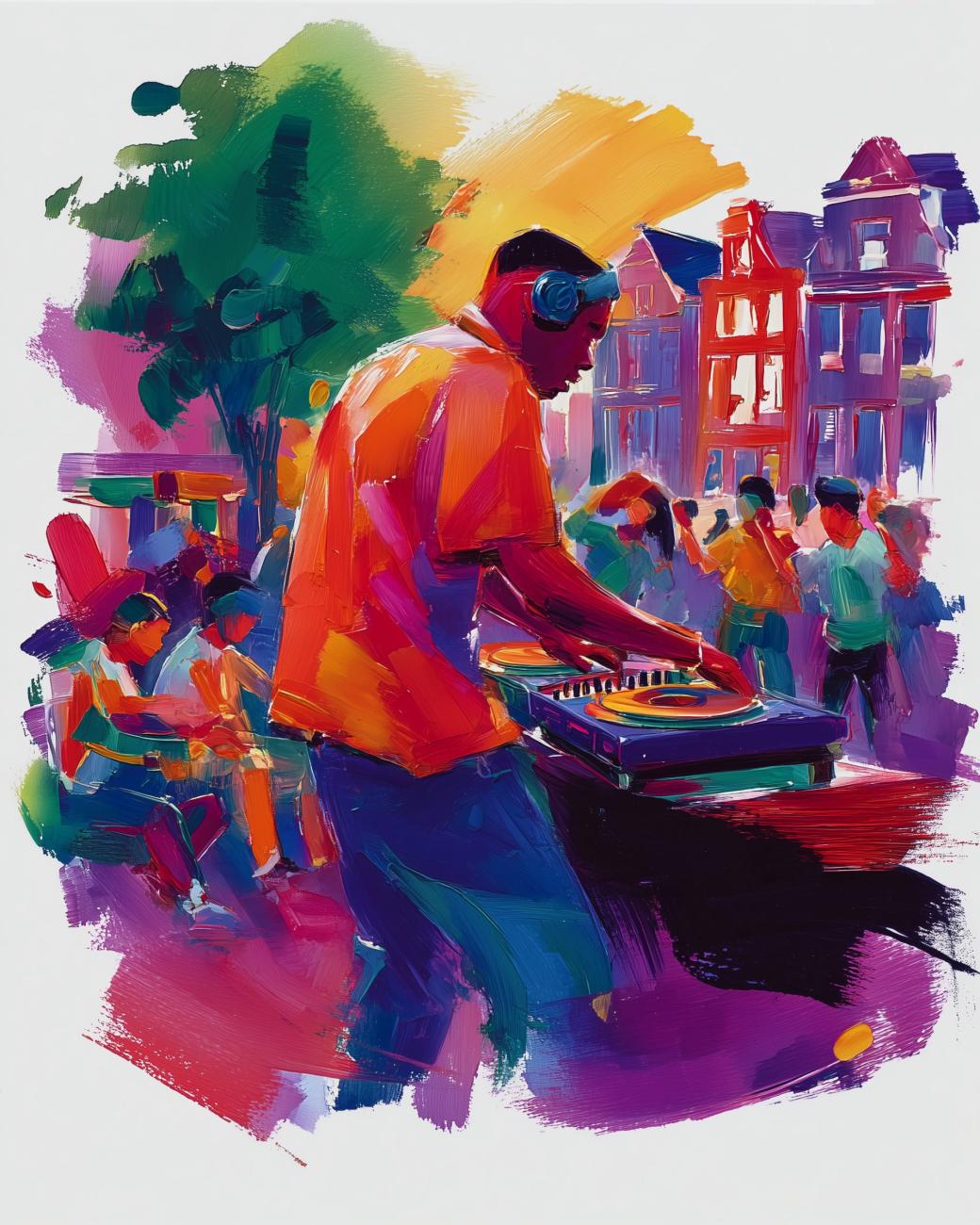
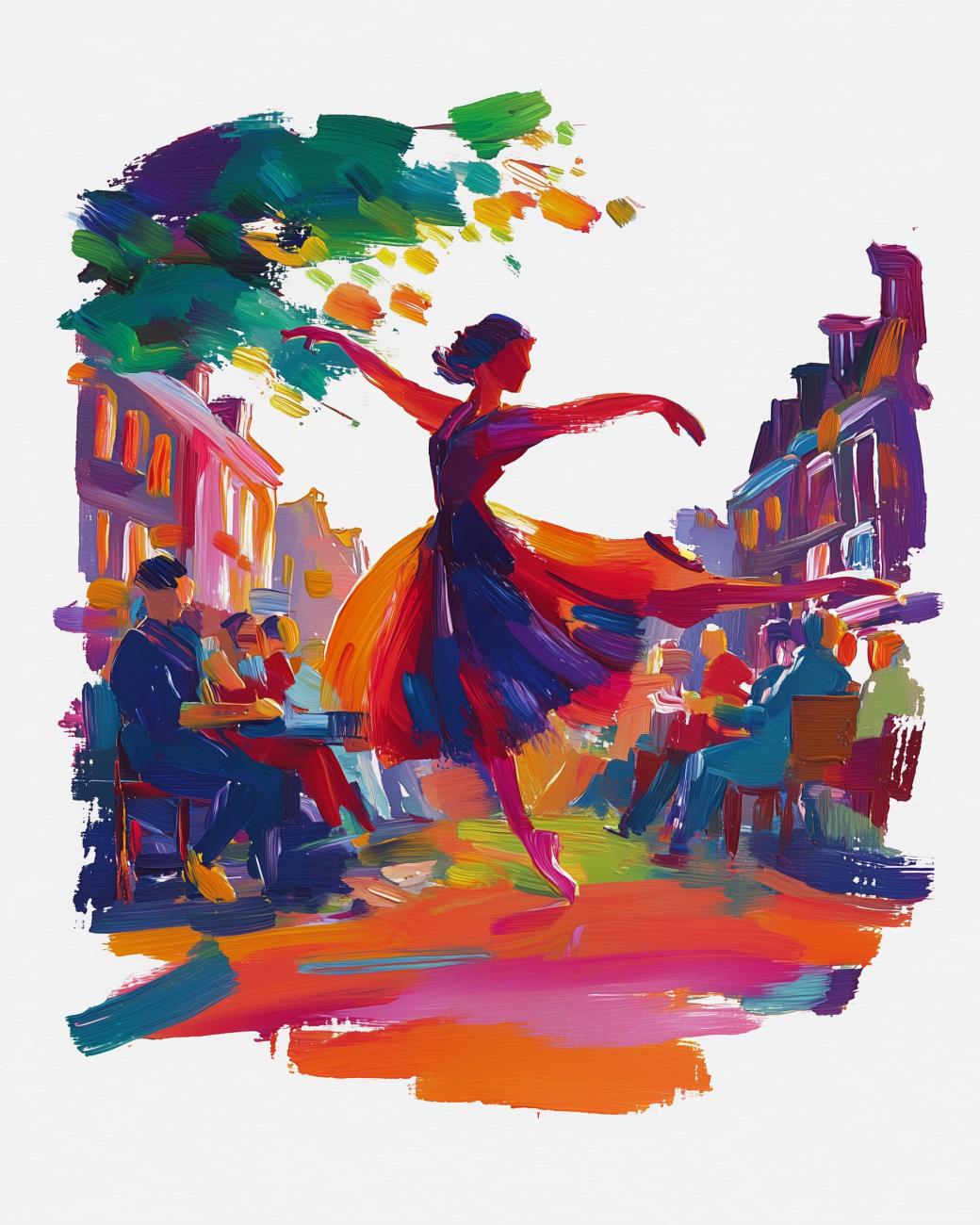
One of the strongest messages from Marjo Gorter and Wim Bogaert is that the festival is for everyone. One does not need to be a professional artist to take part. In fact, the event exists to give amateur artists a chance to be seen. ‘There are so many amateurs who aren’t seen enough,’ Marjo says. ‘This festival gives them a stage. Anyone can take part.’ Wim agrees that the word “amateur” can sometimes be misunderstood. ‘People often think amateur means lower quality, but that’s not true,’ he explains. ‘Many participants perform at a very high level. They simply have fewer hours to devote to it than professionals.’ The organisers also want younger people to feel included. Alongside traditional choirs and music groups, the programme includes DJs, bands, dance groups as well as photography projects and workshops.
‘We wanted to involve young people,’ Wim says. ‘Many young people today carry out their creative projects on their own. We want to show them there is also a community around creativity.’
Breaking down language barriers
For internationals, joining local groups can sometimes feel intimidating, especially when language barriers exist. However, Marjo believes creativity can make communication easier. ‘When you do something together, you don’t always need words,’ she says. ‘If you join a workshop, you create contact naturally. The language barrier disappears.’ This idea is central to the festival. Visitors are encouraged to not only watch performances but also to join workshops and open rehearsals. People can try salsa dancing, photography, theatre or singing in a relaxed and friendly environment. One photography workshop invites participants to take creative photos with their smartphones. The best pictures will even appear on large LED screens during the festival. ‘A safe environment to express oneself creatively, but also collaboratively,’ Marjo explains. ‘You might think afterwards: maybe I’d like to do this more often.’
Feeling at home in a new place
Marjo and Wim are of the opinion that creativity can help people settle into a new city or country. ‘Creativity is something we all need,’ says Marjo. ‘It makes us feel freer inside. You create something of your own and bring it into the world.’ Wim adds that creative groups can also provide a sense of belonging. ‘When you join a group of like-minded people, everyone already shares the same central interest,’ he says. ‘That makes it easier to connect with your surroundings.’ This is particularly important in the Maastricht Region, an area becoming more well-known for its international atmosphere. According to Wim, the city of Maastricht has a unique character. ‘It’s not a typical Dutch city,’ he explains. ‘There are influences from Belgium, Germany and many other places. Maastricht has its own culture and personality.’ The organisers hope the festival will reflect this diversity more strongly in the future. ‘We know Maastricht is a city with many languages and many international people,’ says Wim. ‘We want them to feel at home here too.’
The importance of volunteers and local organisations
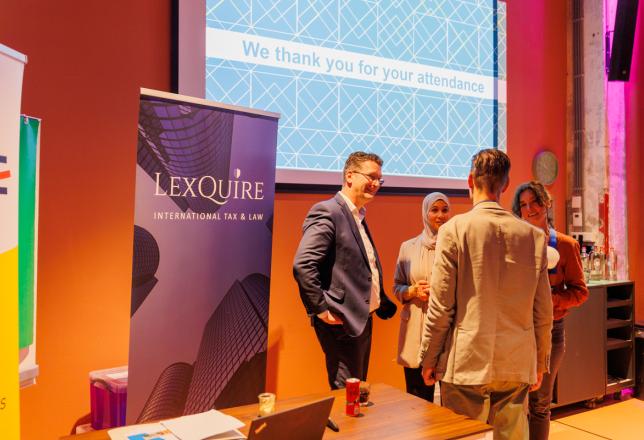
Events like Dag van de Amateurkunsten depend heavily on volunteers and local associations. Last year, around 150 volunteers helped organise cultural activities, guide visitors and support performances. ‘We can’t do it without volunteers,’ Wim says. ‘They are essential.’ Local clubs and organisations also play a major role by opening their spaces, sharing their knowledge and welcoming new people.
For internationals who want to become more involved in the Maastricht Region, volunteering at cultural events can also be a valuable experience. It offers the chance to meet people, practise language skills and contribute to the community.
Dag van de amateurkunsten
Sunday, 14 June 2026
12:00 - 17:30
At various indoor and outdoor locations in Maastricht: Mosae Forum, Kesselkade, Vrijthof, Rebelle, Sterzaal, St. Janskerk, Brandweer, Cellebroederskapel, Kumulus Theater, Pesthuys, Café in den Hiemel.