From the streets of New Orleans to the studios of Maastricht
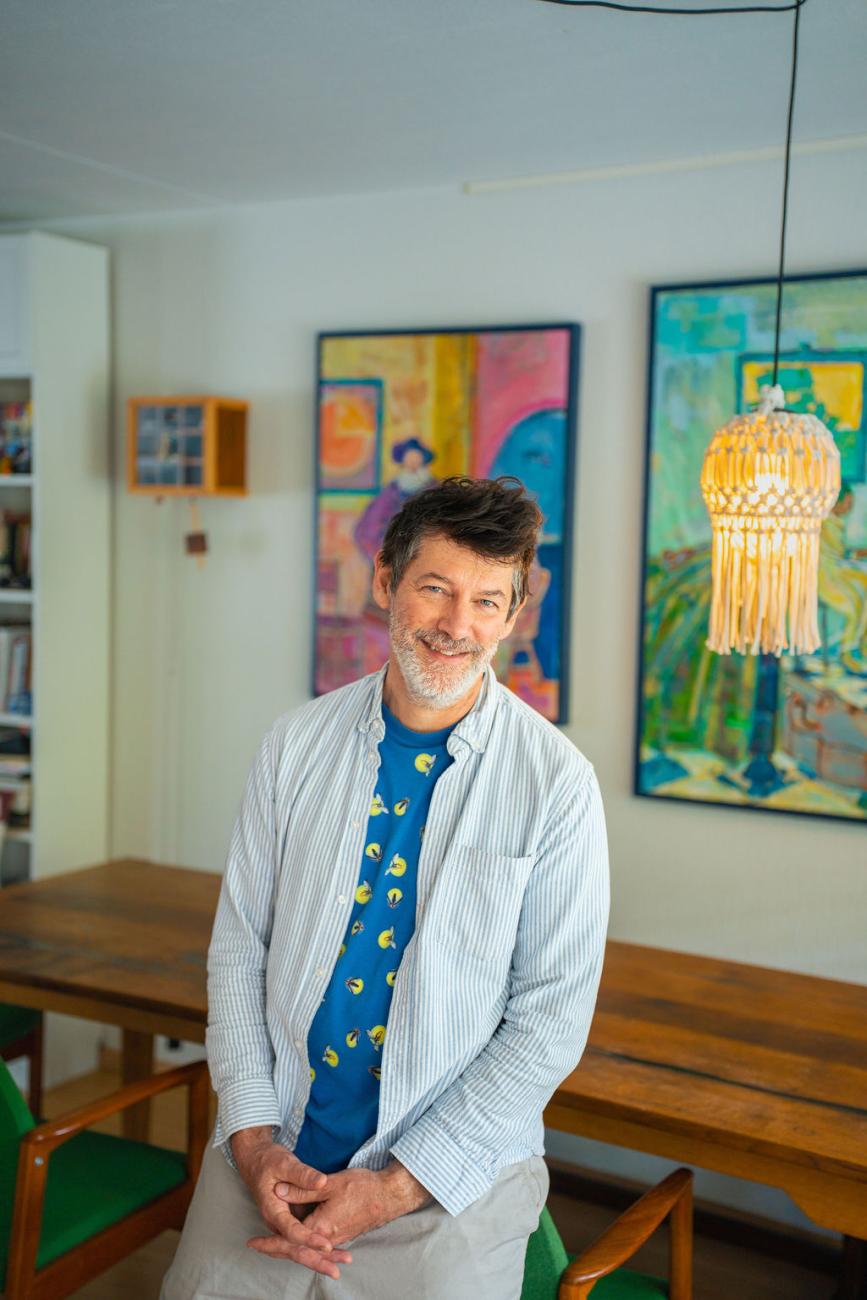
When artist and musician Søren Vandegaard arrived in the Maastricht Region from the United States 3 years ago, he was looking for more than a new place to live. Together with his wife – who accepted a position at Maastricht University – and their young son, he was searching for a place where the whole family could grow, connect and create new experiences.
Today, the New Orleans-born artist says Maastricht feels surprisingly familiar. ‘It feels a lot like home, to be totally honest,’ he says. ‘It was real easy to get my bearings and to feel like you're part of the community.’
Following opportunity across borders
Although Søren has lived in Germany, New York and now the Netherlands, each move has been driven by opportunity rather than a desire to leave home. His family's European journey began when his wife joined the Alexander von Humboldt Fellowship Programme in Germany. After 3 years there, they returned to New Orleans during the COVID-19 pandemic before moving to New York, where she accepted a position at New York University. When Maastricht University offered the next opportunity, the family decided to return to Europe. Remarkably, they moved to Maastricht without ever visiting the city. 'From our research, it was a very hospitable city with lots of international people and opportunities for both of our careers,' Søren says. 'We wanted to continue our European experience.'
Settling into life in the Maastricht Region
Like many internationals, the family arranged almost everything before arriving. After virtual viewings with estate agents and landlords, they rented a home in Randwyck. The quieter location, with space for Søren's studio and garden, has suited them perfectly. Moving to another country always brings challenges, from paperwork to finding a home and learning a new language. Søren says the Expat Centre Maastricht Region made those first months much easier.
'I was pleasantly surprised that there was this set-up already in place,' he says. 'They had already anticipated people needing assistance and guidance. It was flawless.' The support extended beyond administration. 'It felt like somebody was on our team,' he says. 'Every time we went back, there were more opportunities and more suggestions. Sure enough, they all played out.'
Although learning and practicing Dutch can be challenging, Søren encourages newcomers not to let that stop them. ‘Learning at least some Dutch is really convenient for networking and expressing yourself.'
Choosing a local school
One of the family's biggest decisions was education for their son, Rainier. Instead of choosing an international school, they enrolled him in a Dutch language transition class before moving him to their local primary school in Randwyck. For Søren, it was an important part of helping his son become part of the local community. 'The idea of living here was to get new experiences and opportunities, especially for our son,' he says. Today, Rainier speaks fluent Dutch, has local friends and even helps translate for his parents. 'He's very confident in speaking and interacting,' Søren says. 'The schools have been fantastic. We're very happy with the experience.'
A place that inspires creativity
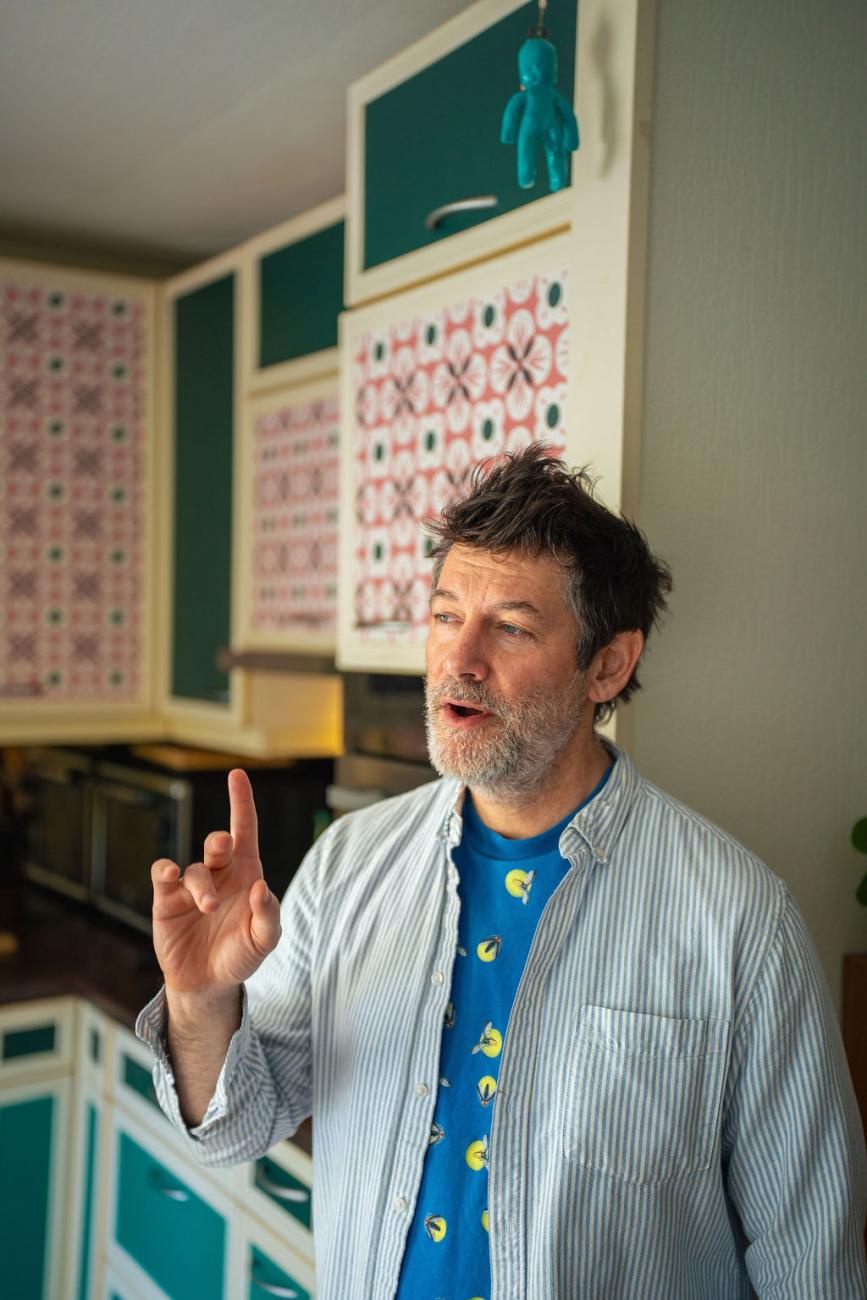
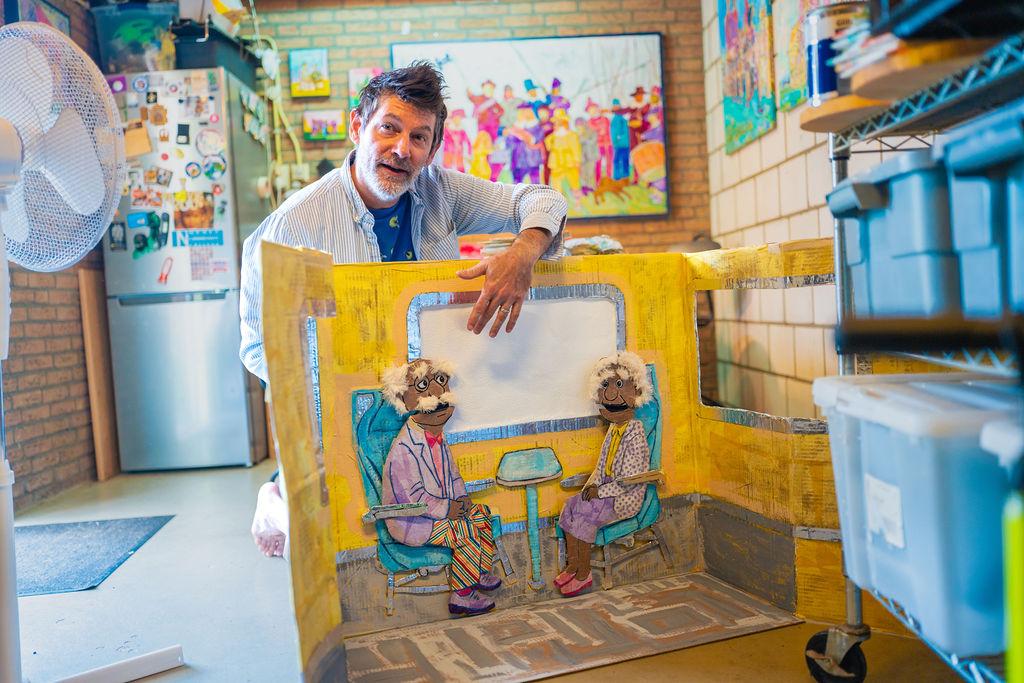
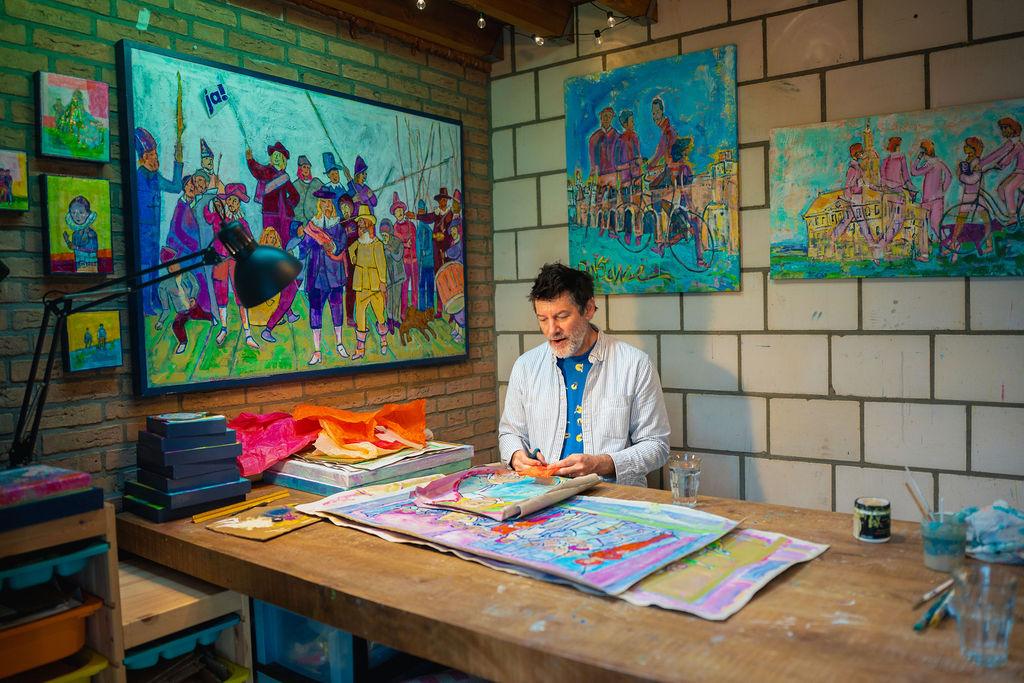
Søren's creative career has taken him from New Orleans' music scene to galleries, public art markets and theatre productions. A musician first, he began painting to promote his band's concerts before developing his own distinctive artistic style using acrylic paint and layered coloured tissue paper. More recently, he has expanded into large-scale puppet theatre, combining music, storytelling, visual art and performance. For Søren, the Maastricht Region offers something every artist needs: space to think. 'Coming from New York City, where the speed is a lot faster, all that was lifted here,' he explains. 'I ride my bicycle through the farmlands every day. It's like heaven. It's so beautiful.' The region's international atmosphere has also helped him grow both personally and professionally. With Maastricht's location close to Belgium and Germany, he has quickly built a network of artists, neighbours and friends from around the world.
Community begins by showing up
One tradition the family brought from the United States continues in Maastricht: a monthly communal dinner where neighbours and friends gather to share food, music and conversation. 'We play music, I have a piano here and play guitar,' Søren says. 'It's real easy to strike up conversations and feel like you're part of the community.' His advice for newcomers is equally straightforward. 'Just show up,' he says. 'If someone suggests going to a gallery opening or something at a museum, just go. Next time you'll be able to draw on that experience.'
Inspired by Maastricht's history
One of Søren's favourite places is the Sint Pieter area, where he enjoys cycling and taking visiting friends and family. 'Being able to be in quiet woods within 10 minutes is really special to me,' he says. 'I also love the history. There are so many stories here that people don't always know.'
That fascination has inspired his next ambition: creating a puppet theatre production based on Maastricht's caves, history and local legends. 'I'd like to bring together some of these connections I've found into a show that reflects my experiences here,' he says. While he continues to maintain close ties with New Orleans, Søren believes moving abroad always brings unexpected rewards. 'People leave behind family, friends and places they're used to,' he says. 'That's okay. It's a learning experience. You don't expect those gaps to be filled, but they are – just not in the way you expect.'
His story reflects the experience of many internationals in the Maastricht Region. With curiosity, openness and a willingness to become involved, a new city can soon begin to feel like home. As Søren puts it: 'It's not easy, but it's easier than you think.'
Photos: Nigel Noma @nomastudio.nl